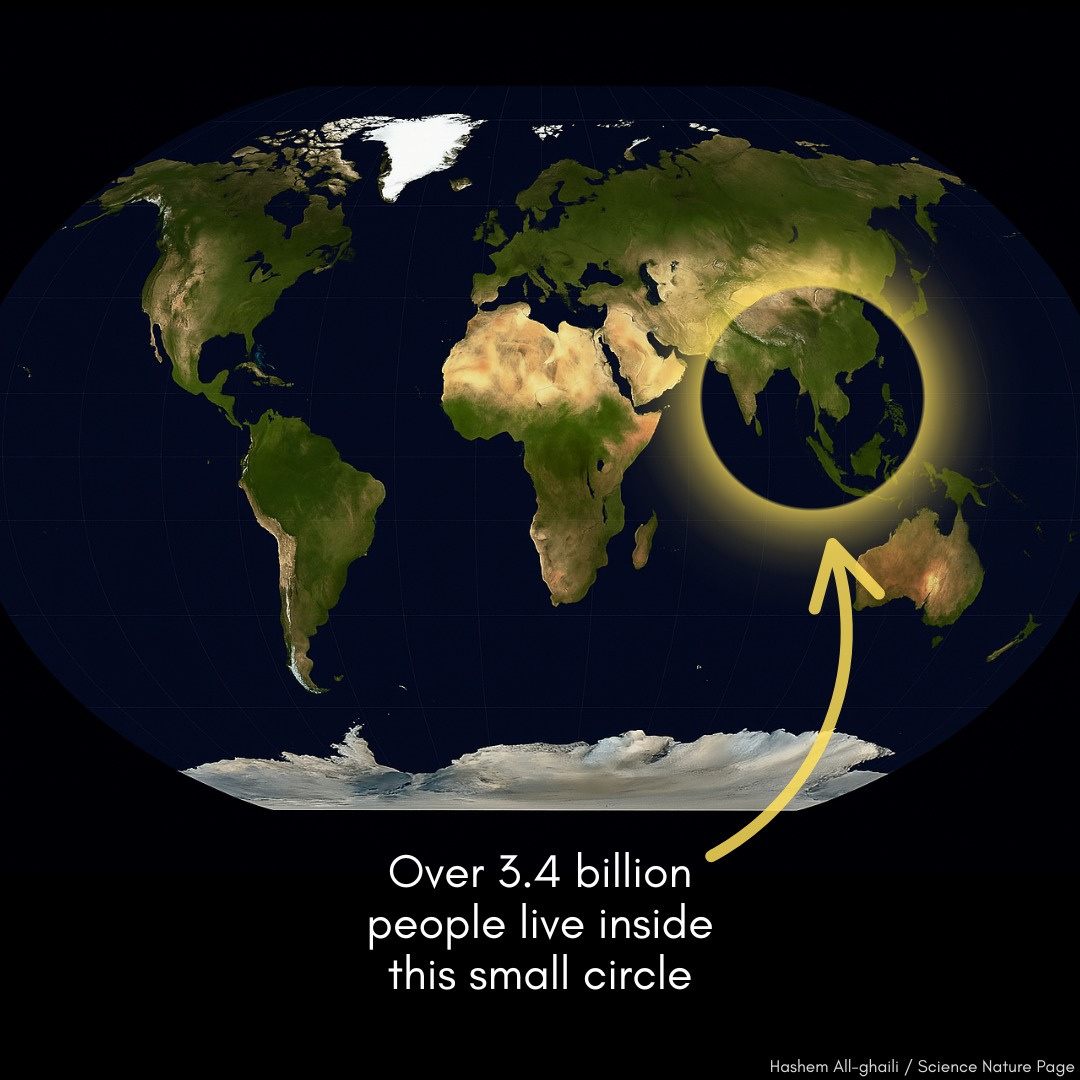
Warm, semi-arid
Conditions suited to the species' natural range.
Red Sandalwood does not reward hurry. Understanding that is the first honest step — and the foundation of every BSR project.
Red Sandalwood is a hardwood tree native to southern India, known across generations for its deep-red heartwood — a wood so rich in colour, density and character that it entered legend.
It is distinct from sandalwood (Santalum album), which is an aromatic tree. Red Sandalwood is prized for its heartwood, not its scent.

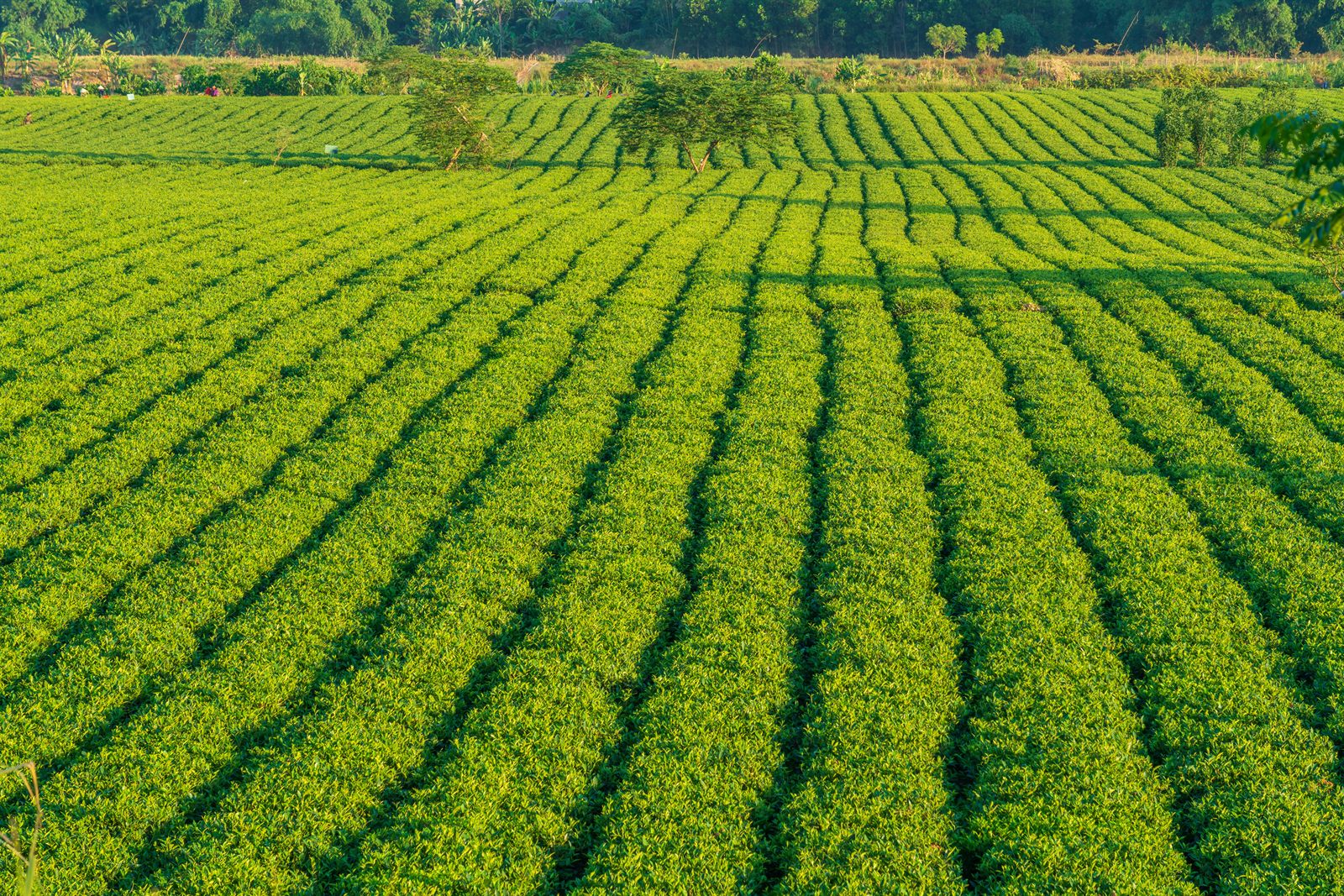
The species is associated with the dry deciduous forests of the southern Eastern Ghats. BSR projects are located in villages across this recognised red sandalwood belt — land selected partly because it belongs, climatically and culturally, to the tree's home.
Conditions suited to the species' natural range.
The historic home of red sandalwood.
Heartwood does not follow a schedule. It forms slowly, in the tree's core, over decades. Every BSR plan is built around that reality.
Sapling, soil preparation, irrigation and early care.
Structure, growth and resilience are built.
The rich core begins to form, slowly and steadily.
Mature timber potential only over the very long term.
Timelines indicated in years are general biological ranges, not commitments. Growth and heartwood formation depend on soil, climate, management and time.
Natural supply is limited, and the species is protected — legally regulated in its native range.
The heartwood serves fine furniture, premium natural colourings, traditional crafts and specialised products.
Value is a horizon, not a switch. The patient often understand it better than the impatient.
A plantation is something you hold, and something the next generation holds after you.
The value chain of red sandalwood runs from the living tree to the finished product: plantation → growth → heartwood → regulated timber → processing → specialised products. Between each step sit decades, regulation, quality, cost and market demand.
BSR's role is the middle of that chain — establishing and managing the plantation well. What happens near the end of the chain is governed by markets and regulations that no one can control or promise.
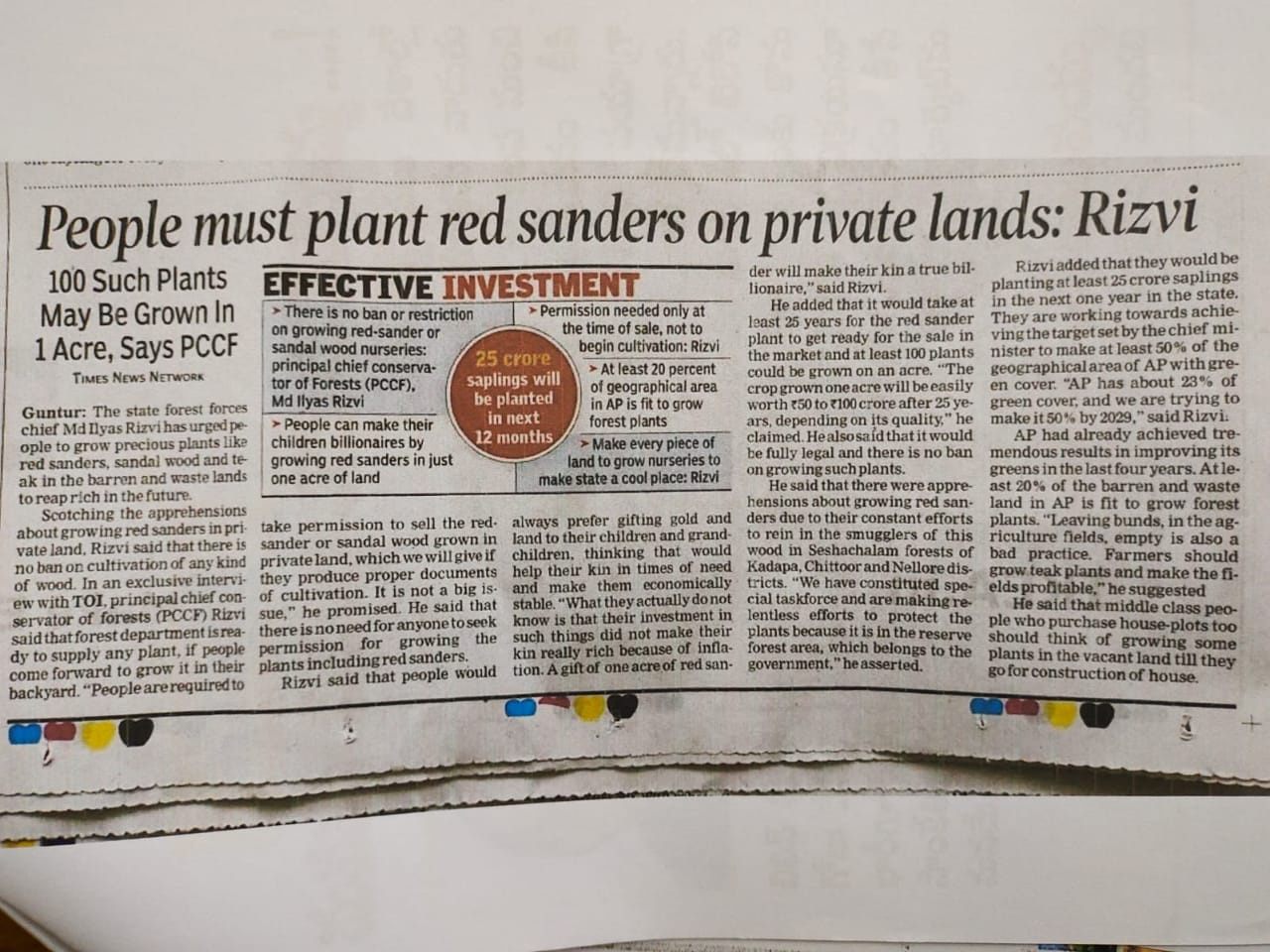
BSR Projects does not offer guarantees. It offers clarity. These are the factors that genuinely shape what a plantation is worth over the long term:
Land market conditions — what similar land is worth in a given time and place.
Biological growth — the health and development of the plantation under its management plan.
Heartwood formation — the slow biological process at the heart of the tree's value.
Regulation & law — protected-species rules that govern the species and its timber.
Management cost & quality — how well the plantation is cared for, and what that care costs.
Market demand — long-term conditions in the industries that use the heartwood.
Every scenario on this website is an illustration — never a promise, projection or guaranteed outcome.